You know, when I started this blog to document my home lab adventures and tech projects, I never thought I’d be writing about yarn and knitting needles. But here we are, and honestly? Some of my most satisfying “builds” lately have been analog ones. There’s something deeply therapeutic about working with your hands on physical projects when you spend most days wrestling with Docker containers and network configurations.
The Cutest Quality Assurance Engineer
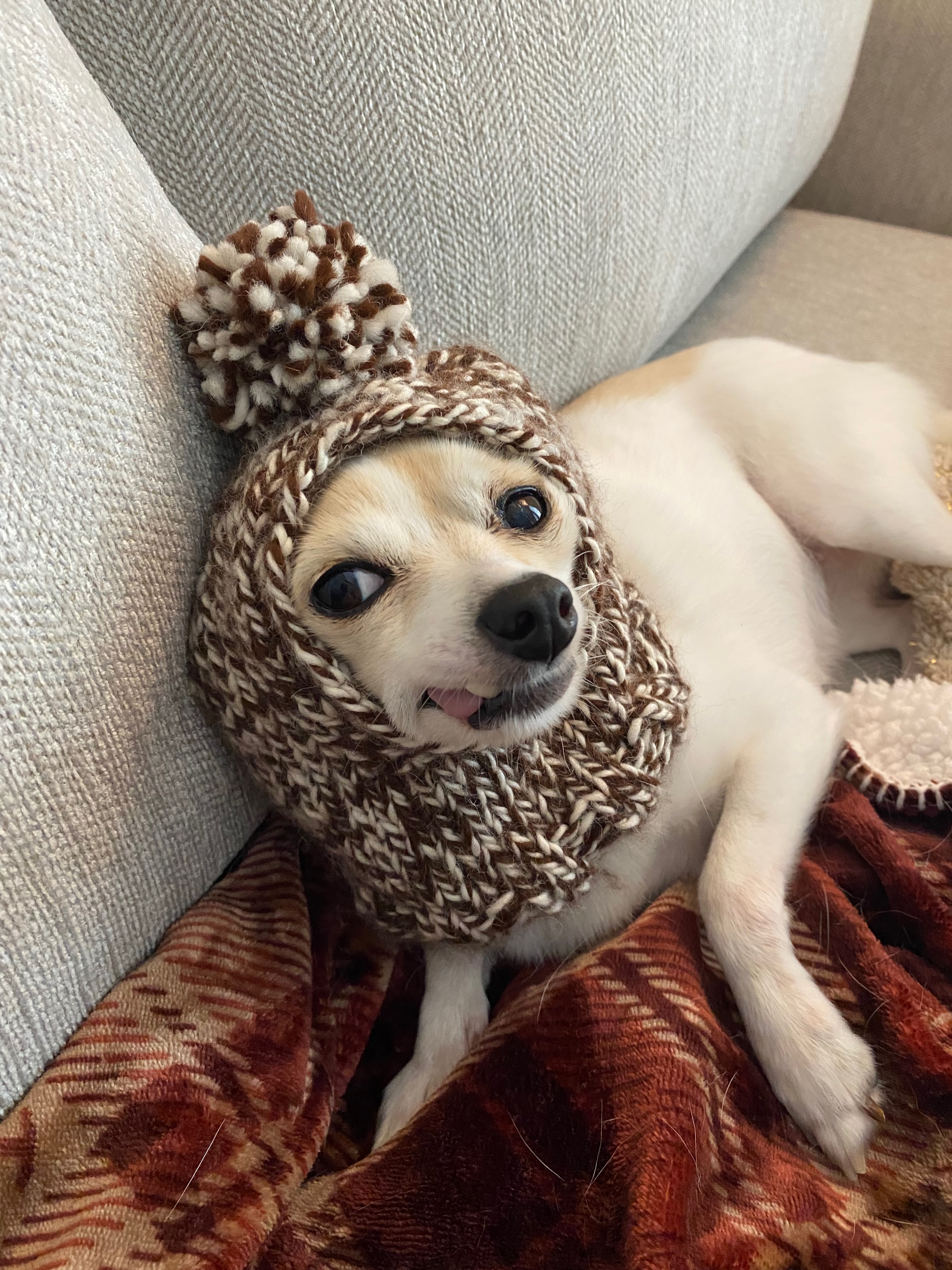
Meet my chief quality assurance engineer for all knitting projects. This little guy has become the unofficial model for every hat, scarf, and sweater that comes off my needles. That adorable brown and cream knitted hat with the pompom? That’s actually a prototype I made while learning fair isle techniques. Turns out, small-scale knitting projects are perfect for testing new patterns before committing to human-sized garments. Plus, having a willing (and ridiculously photogenic) model makes the whole process way more fun.
Halloween Goes High-Tech (Sort Of)
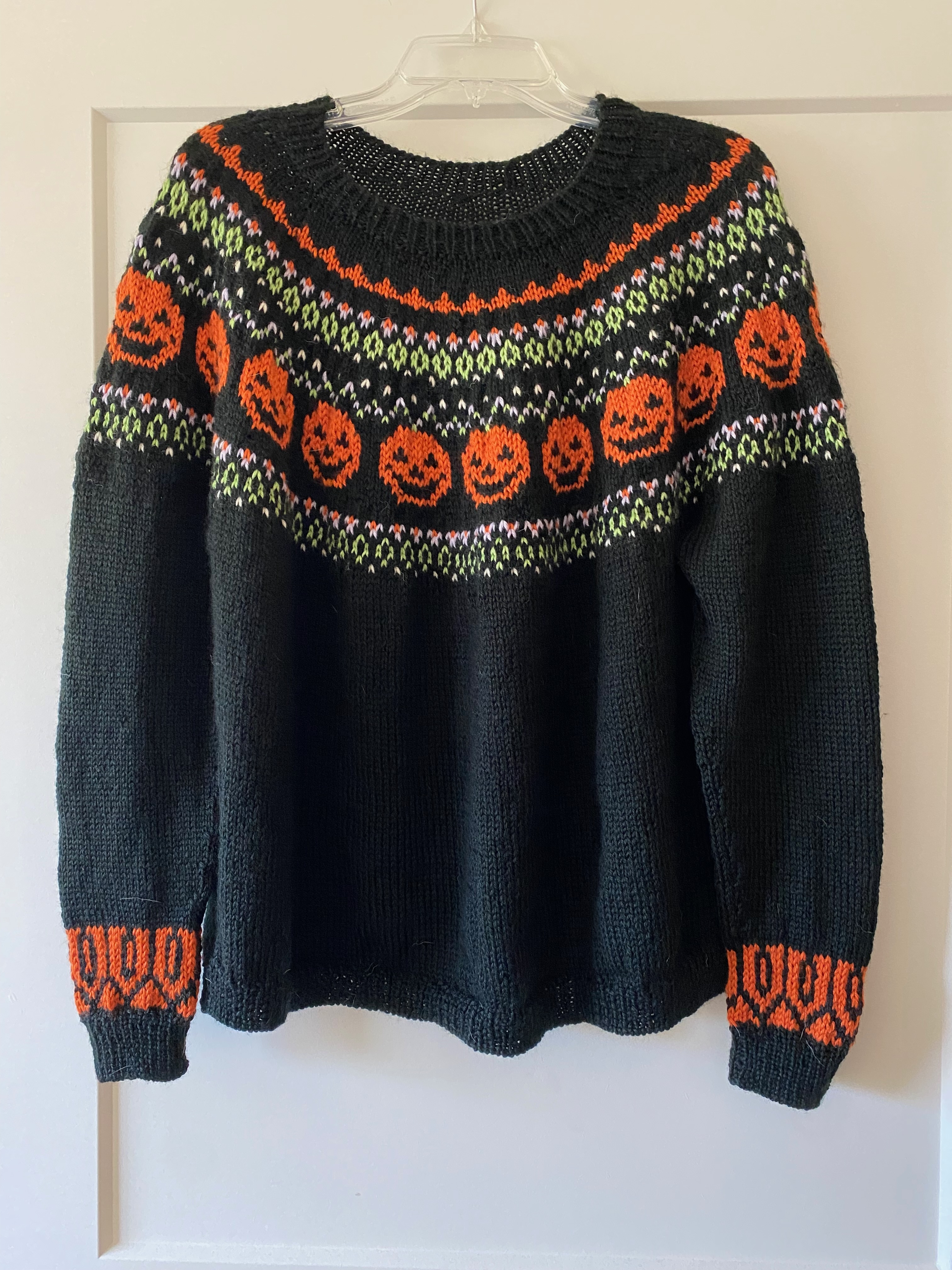
This Halloween sweater represents one of my first attempts at colorwork programming - yes, I’m calling it programming because that’s essentially what fair isle knitting is. You’re following algorithms, managing multiple data streams (yarn colors), and debugging when your pattern doesn’t line up correctly. Those jack-o’-lantern faces required careful chart reading and tension management. Each pumpkin is basically a small subroutine in the larger pattern. The geometric borders use traditional Nordic motifs, which are like the design patterns of the knitting world - time-tested solutions that just work.
Cable Management, Fiber Edition
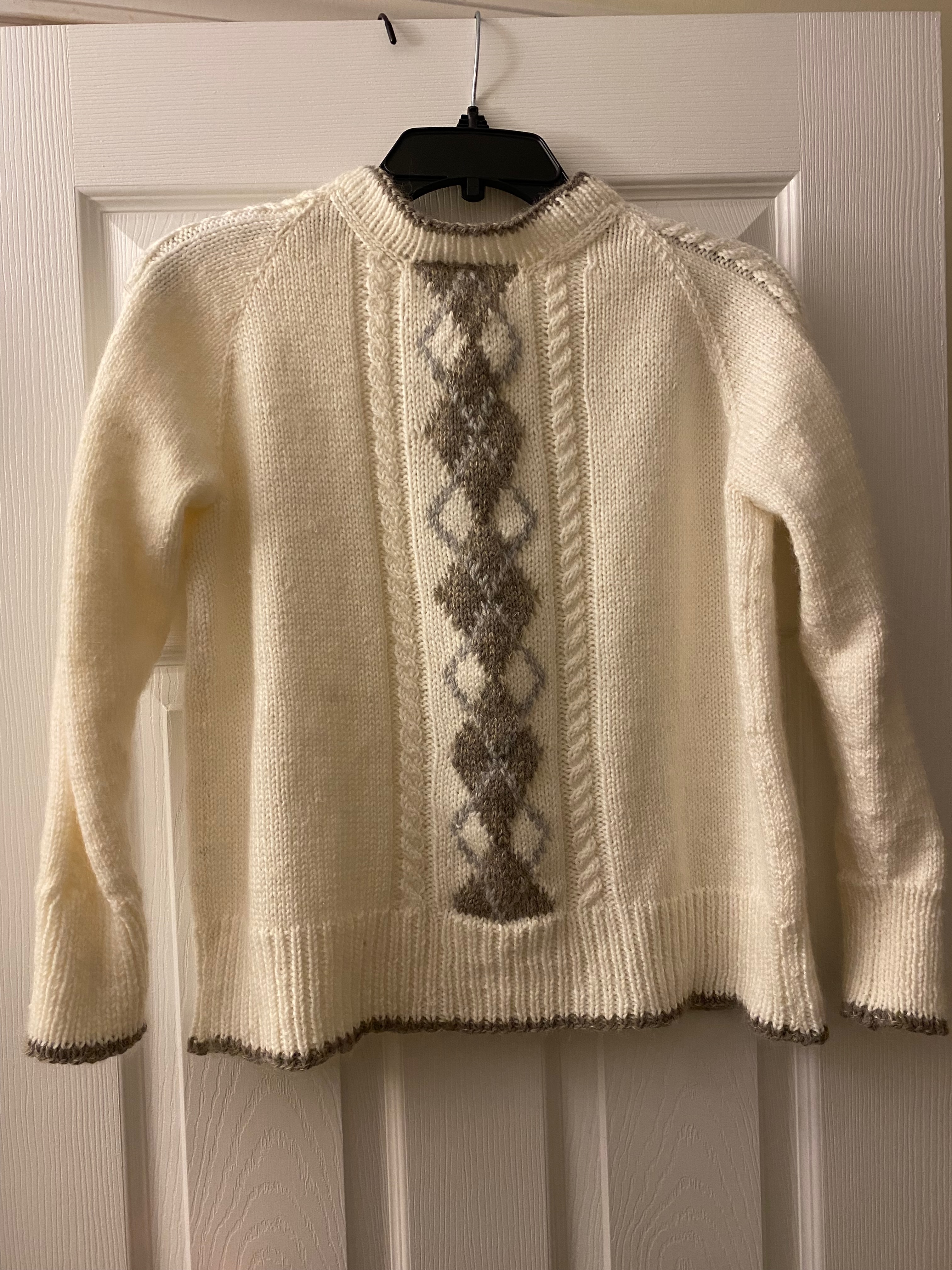
Speaking of patterns and structure, this cream-colored sweater showcases cable knitting - which is basically the networking of the fiber world. Those twisted cable patterns running down the center panel? They require the same kind of systematic thinking that goes into planning network topology. You have to keep track of which stitches cross over which, maintain consistent tension, and troubleshoot when things go wrong. The mock turtleneck design makes it perfect for those chilly mornings in the server room when the HVAC is being temperamental.
Fair Isle Meets Function
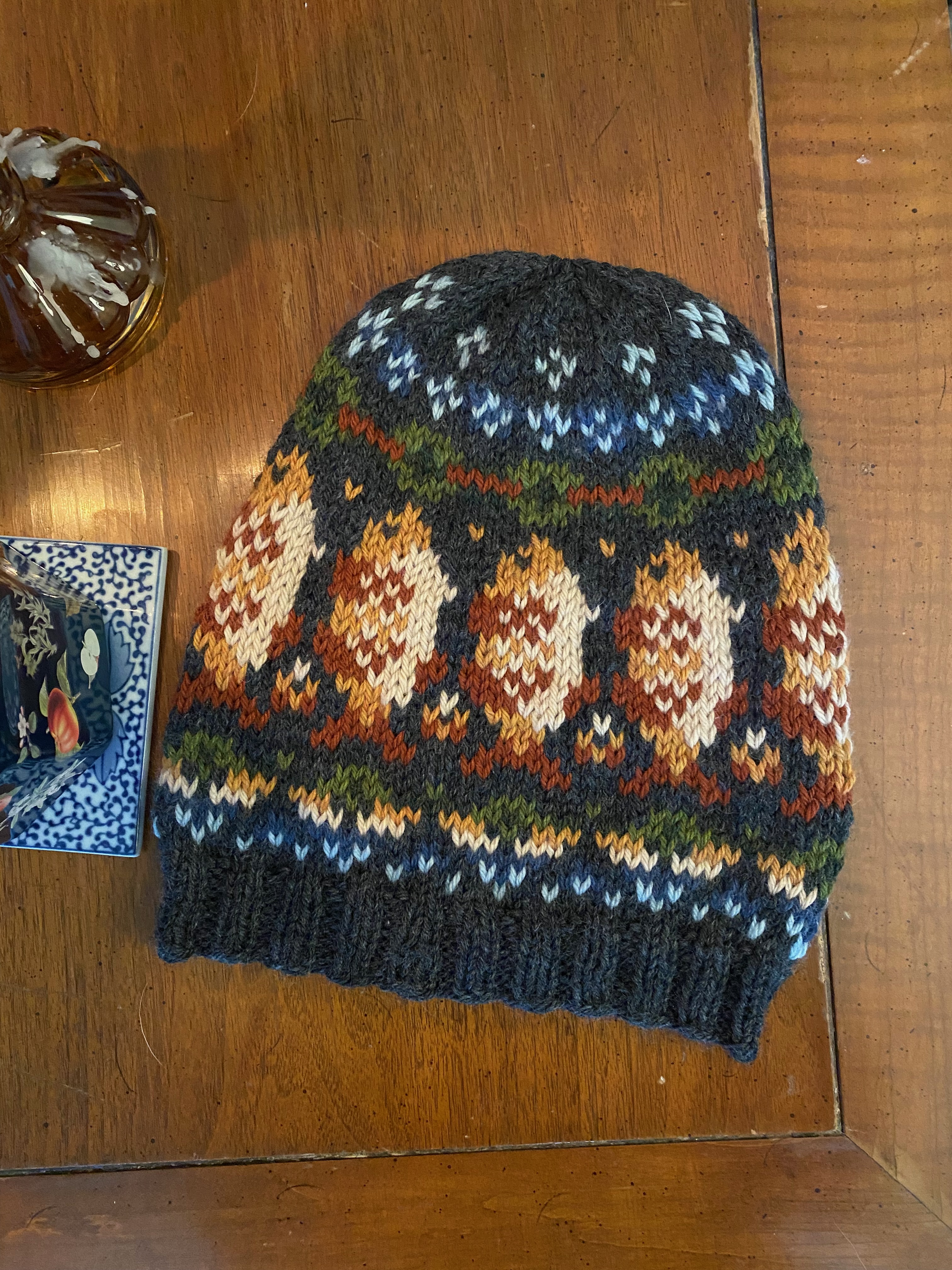
This beanie represents a deep dive into traditional Shetland colorwork techniques. The repeating diamond pattern around the crown uses a seven-color palette, which presented some interesting logistical challenges - imagine managing seven different network connections simultaneously. The key is proper color dominance and maintaining consistent floats on the back. It’s pattern recognition and execution at its finest, much like writing efficient code. Plus, it’s incredibly warm for those late-night troubleshooting sessions when the heat’s turned down.
The Spooky Season Collection Continues
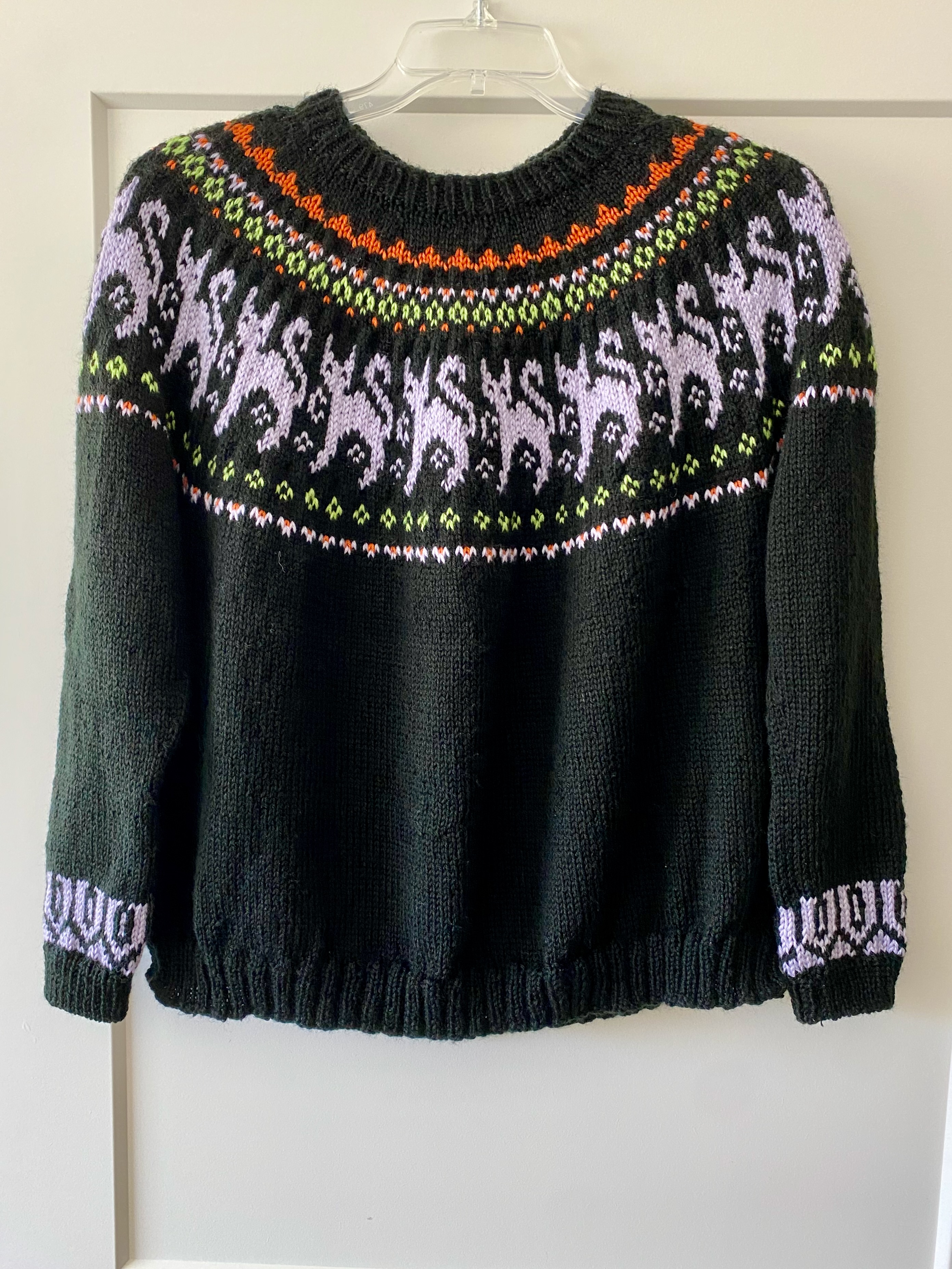
Here’s another Halloween-themed piece that pushed my colorwork skills further. The ghost motifs required careful planning to avoid long floats, and the border patterns use mathematical progressions that would make any programmer appreciate the underlying logic. The deep forest green provides perfect contrast for the purple and orange accent colors. This sweater taught me a lot about color theory and how different hues interact - skills that surprisingly translate well to UI design for my various home lab dashboards.
Simple Elegance in Brown
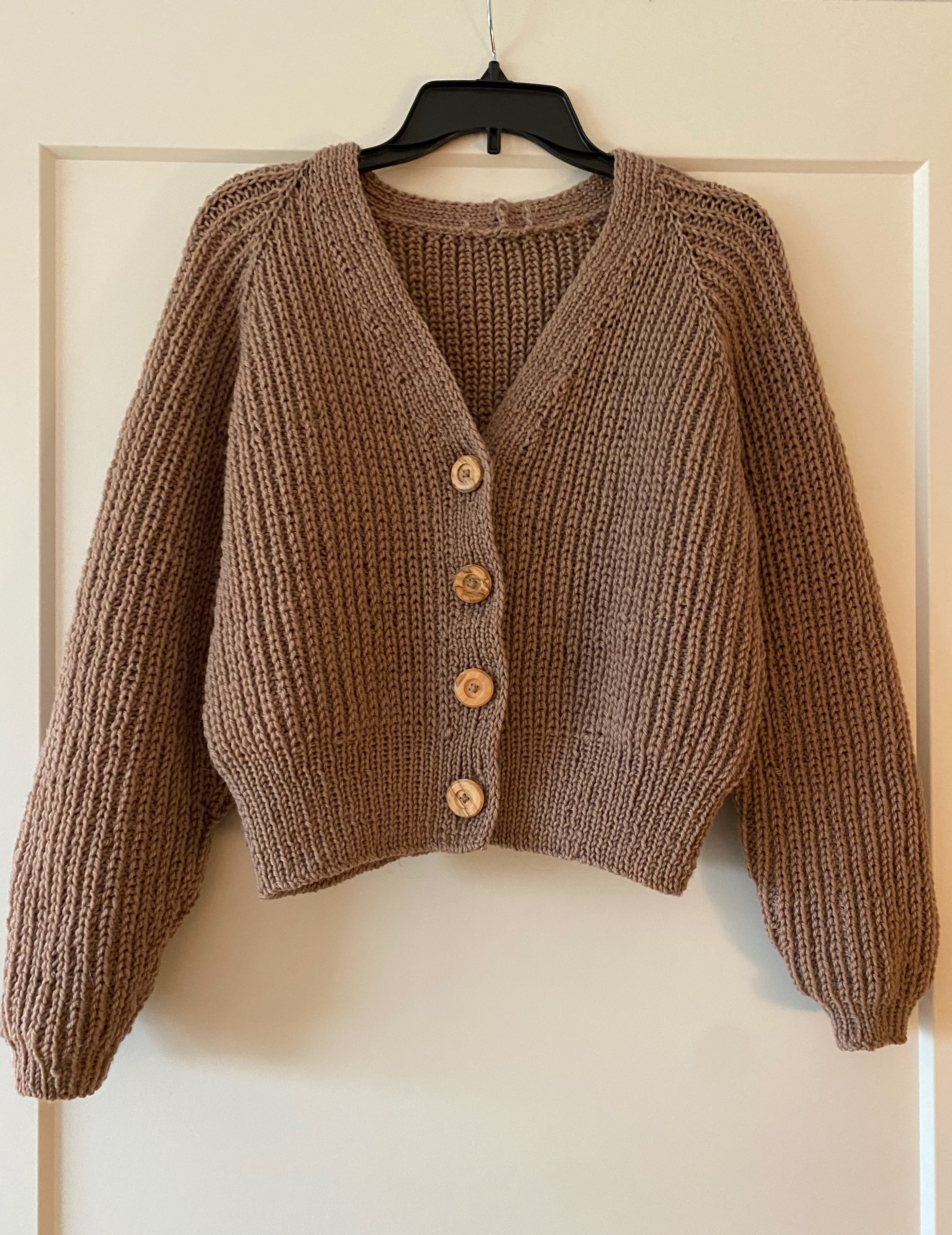
Sometimes the most elegant solutions are the simplest ones. This brown cardigan uses a basic fisherman’s rib stitch throughout, focusing on clean lines and perfect fit rather than complex colorwork. The wooden buttons add a nice natural touch that complements the earthy yarn color. It’s like writing clean, maintainable code - no fancy tricks, just solid fundamentals executed well. The cropped silhouette and button-up design make it incredibly versatile, perfect for layering over t-shirts during those long coding sessions.
Bringing It All Together
What I’ve discovered through this knitting journey is that the same problem-solving mindset that serves me well in technology applies perfectly to fiber arts. Both require patience, attention to detail, systematic thinking, and the ability to debug when things go sideways. Plus, there’s something wonderfully grounding about creating tangible, useful objects with your hands while your servers quietly hum in the background, doing their digital work.
Whether I’m optimizing network performance or perfecting a cable pattern, it’s all about finding elegant solutions to complex problems. And having an adorable four-legged model certainly doesn’t hurt the process.